

Young Europeans are scrolling, posting, and sharing more than ever before, but the real question is not whether you use social networks. It is whether you are getting anything truly valuable out of them. Photo-based platforms offer more than a highlight reel. Research consistently shows they can deepen friendships, support mental health, and fuel personal growth in ways that passive scrolling simply cannot match. This guide breaks down the specific, evidence-backed benefits of social networking and shows you exactly how to capture them.
Table of Contents
- How social networking fosters real connections
- Identity, self-expression, and memory: The personal growth side
- Supporting mental health and access to helpful information
- Active vs. passive social networking: Why your engagement style matters
- Our take: Why smart, expressive networking beats passive scrolling, every time
- Ready to maximize your social networking benefits?
- Frequently asked questions
Key Takeaways
| Point | Details |
|---|---|
| Active sharing matters | Posting and interacting with others online creates stronger benefits than passive scrolling. |
| Boosts connection and self-identity | Photo-based networking deepens friendships and helps you shape your digital self. |
| Access to support and resources | Social networking is a valuable way to find mental health information and supportive communities. |
| Engagement style impacts outcomes | How you use social networking determines the nature and strength of its positive effects. |
How social networking fosters real connections
Now that you know why this matters, let us dig into how social networking actually works to build your connections.
At its core, social networking was built for one thing: bringing people together. And when you go beyond just looking at other people's photos and actually start sharing your own moments, something shifts. You stop being a spectator and start being a participant in a living, breathing community.
Research confirms this clearly. Social connection benefits are among the most consistently reported outcomes for young adults using social media platforms. When you post a photo from a weekend trip, a local festival, or even just your lunch spot in Lisbon or Berlin, you open a door for others to respond, relate, and reach out.
Photo sharing specifically stands out from text-based posts. Studies show that photo-sharing creates new social pathways that feel more personal and immediate than written updates. A well-captured image of a market in Bruges or a sunset over the Adriatic does not just share a moment. It invites others into your experience.
Here is what consistent, active photo-based networking actually gives you:
- Stronger existing friendships: Regular updates keep your real-world connections alive even across borders
- New friendships with shared interests: Discovering people who love the same places, foods, or cultural events you do
- Cross-cultural exchange: Connecting with people from different European countries through shared visual stories
- A sense of community: Feeling like part of something larger than your immediate circle
When you share photos and build cultural connections, you are actively investing in your social world.
"Connection is not just about being seen. It is about being responded to. That is why posting and engaging consistently makes a measurable difference to how socially supported young adults feel."
Pro Tip: Do not just post and disappear. Reply to comments, ask questions, and tag friends in shared memories. Engagement is the part that actually builds the connection, not just the upload itself. Platforms that reward this kind of back-and-forth interaction help you build meaningful connections online faster than passive browsing ever will.
Identity, self-expression, and memory: The personal growth side
Once social networking connects you with others, it also offers tools for personal growth and creative expression.
Think about the photos on your profile. Every image you choose to share says something about who you are, where you have been, and what matters to you. Curating your feed is not vanity. It is a form of self-definition. Research finds that social media plays a role in helping young adults work through questions of identity, values, and belonging.
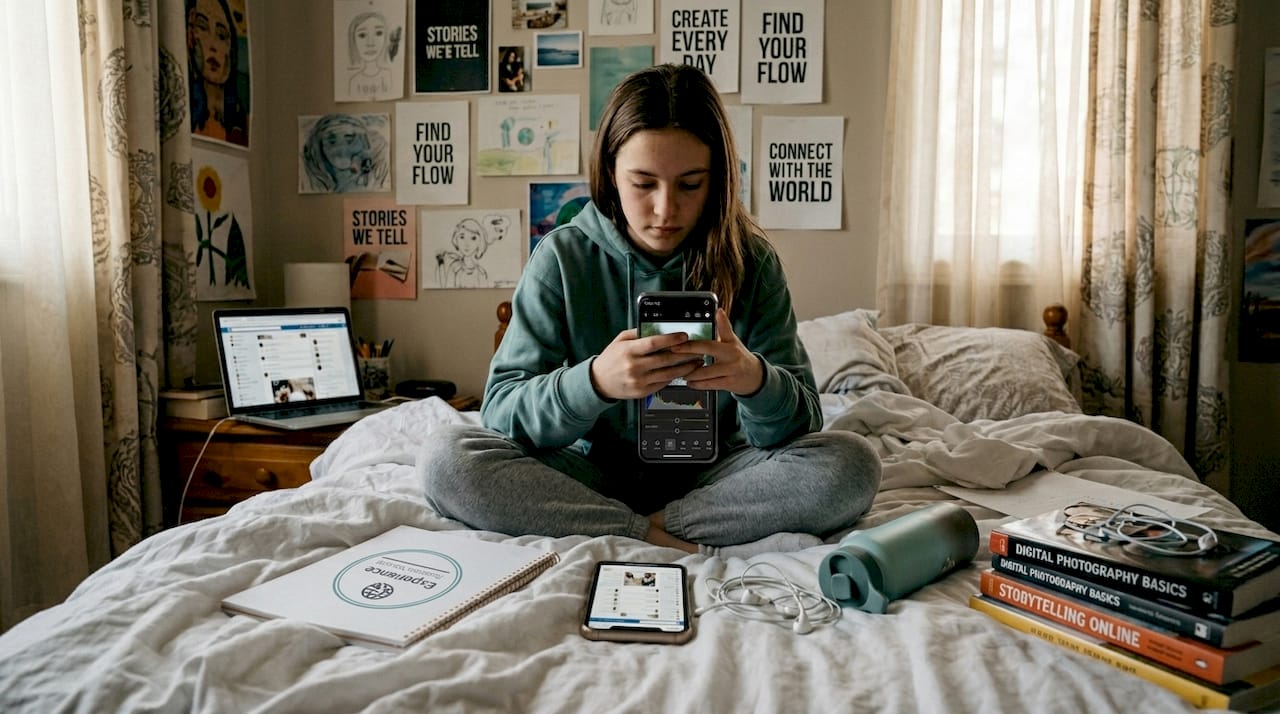
What makes this especially powerful for European young adults is the cultural richness already present in everyday life. A photo from a traditional village fair in Poland, a gallery opening in Amsterdam, or a family gathering in Naples is not just a memory. It is a statement about who you are and where you come from.
Here is how you can use social networking intentionally for personal growth:
- Build a visual portfolio of your experiences: Use your profile as a curated collection that reflects your real interests, travels, and cultural background.
- Reflect on past content: Looking back at your own photos helps reinforce positive memories and supports a healthy sense of self-continuity.
- Connect photos to your cultural identity: Sharing images tied to your heritage, language, or regional traditions gives others context and gives you pride of ownership.
- Use your profile as creative expression: Experiment with photography styles, captions, and themes to develop your own voice.
- Document milestones: From graduation to a first solo trip abroad, visual documentation turns moments into lasting personal records.
Research also confirms that active self-curation helps organize memories and can reinforce positive self-perception over time. This is very different from just scrolling someone else's feed.
"The users who report the strongest personal growth outcomes are not the ones consuming the most content. They are the ones creating it. Making posts, curating albums, and telling their own story is what drives development."
Pro Tip: Be authentic but thoughtful. You do not have to share everything to be genuine. Choose content that reflects the real you while being mindful of what you want to be publicly visible. When you build your online presence with intention, you create something that works for you long-term rather than something you will regret later.
Supporting mental health and access to helpful information
Beyond personal and social benefits, social networking also becomes a resource for support and practical life information.
This is an area that often gets overlooked. Most conversations about social media and mental health focus on the risks. But the research tells a more nuanced story. Social media offers genuine resources for mental health support and access to health information, especially when users actively participate in positive and supportive communities.
Here is how social networking can genuinely support your emotional wellbeing:
- Peer support groups: Connecting with others who share similar challenges, whether that is anxiety, cultural adjustment, or life transitions
- Access to credible information: Many health organizations and mental health advocates use social platforms to share practical, accessible resources
- Reducing isolation: For young adults who have recently moved cities or countries, online communities can bridge the gap until offline connections form
- Finding local communities: Discovering local clubs, events, or interest groups through shared photo content and community pages
- Normalizing conversations: Seeing others talk openly about mental health, stress, or identity struggles can reduce stigma and encourage help-seeking
A key statistic worth noting: social network use among 16 to 29-year-olds in the EU is nearly universal, which means the communities you need are almost certainly already there.
"Not every young person has the same access to offline support. For those with fewer in-person ties, social networking communities can serve as an important bridge to connection and information."
However, there is an important caveat here. The mental health benefits of social networking are not automatic. They depend heavily on how you engage. Passive scrolling through curated highlight reels without participating can leave you feeling worse, not better. Active participation in positive, interest-driven communities is where the real value lies.
Active vs. passive social networking: Why your engagement style matters
Understanding the difference between how you use social networks can clarify why not everyone benefits equally.
This might be the most important concept in this entire article. Two people can spend the exact same amount of time on social media and have completely opposite experiences. The reason comes down to one thing: engagement style.
Benefits of social networking vary substantially based on whether users are actively contributing or passively consuming. Here is what that looks like in practice:
| Feature | Active engagement | Passive engagement |
|---|---|---|
| What it looks like | Posting, commenting, tagging, messaging | Scrolling, watching, reading without responding |
| Effect on connection | Builds and deepens relationships | Limited to no relationship building |
| Effect on self-esteem | Generally positive with meaningful sharing | Can trigger comparison and lower self-worth |
| Memory and identity | Supports active identity development | Little impact on personal narrative |
| Mental health outcome | Positive when community is supportive | Often negative or neutral |
| Information access | Seeking out and sharing resources | Accidental exposure, often low quality |
The free social platforms guide for young Europeans explores this in more detail, but the core principle is simple: you get out what you put in.
Active engagement benefits include:
- Real social bonds formed through consistent interaction
- Creative skill development through photo editing, storytelling, and curation
- Community belonging through contributing to shared conversations
- Visibility for your experiences and cultural perspective
Passive engagement risks include:
- Unfavorable social comparison when viewing others' polished content
- A false sense of connection without actual relationship building
- Lower motivation to share your own experiences over time
- Missing out on the personal growth that comes from creative expression
The data backs this up. SNS use among 16 to 29-year-olds is near-universal across the EU, which means almost everyone is already on these platforms. The question is simply which side of the table you are sitting at.
Our take: Why smart, expressive networking beats passive scrolling, every time
So, what does all this mean when it is your finger on the screen or your photo in the feed? Here is what experience and evidence tell us.
We hear a lot about screen time limits and digital detoxes. And yes, mindless scrolling for hours is not doing you any favors. But the solution is not to use social networks less. It is to use them better. The difference between someone who gains genuine value from social networking and someone who feels worse after 30 minutes online is almost never about the amount of time they spend. It is about what they are doing during that time.
Passive consumption is easy. It requires nothing from you. But it also gives nothing back. Posting a photo from your travels, commenting on a friend's cultural experience, sharing something that reflects your real personality, these are the actions that generate the benefits the research consistently points to. Connection, identity growth, memory, support, all of it flows from active expression.
There is also something specifically relevant about the European context here. You are already living in one of the most culturally rich and diverse environments in the world. The variety of languages, traditions, cuisines, and landscapes across Europe gives you a nearly unlimited source of meaningful visual content to share. When you document and share that richness, you are not just creating a personal record. You are contributing to a larger cultural conversation.
Check out the visual creators checklist if you want a practical starting point for leveling up your sharing game.
The hard-won insight is this: the most fulfilled social media users are not the ones with the biggest follower counts or the most polished feeds. They are the ones who show up consistently, share honestly, and engage genuinely. That is both simpler and more powerful than any algorithm trick or growth hack.
Ready to maximize your social networking benefits?
If you are inspired to get the most out of social networking, here is how Experience.eu can help you make it happen.
Experience.eu is built around exactly the kind of active, photo-based sharing we have been talking about throughout this article. Whether you want to post your latest cultural adventures, connect with a community that values European experiences, or grow your own social presence, the tools are right here.
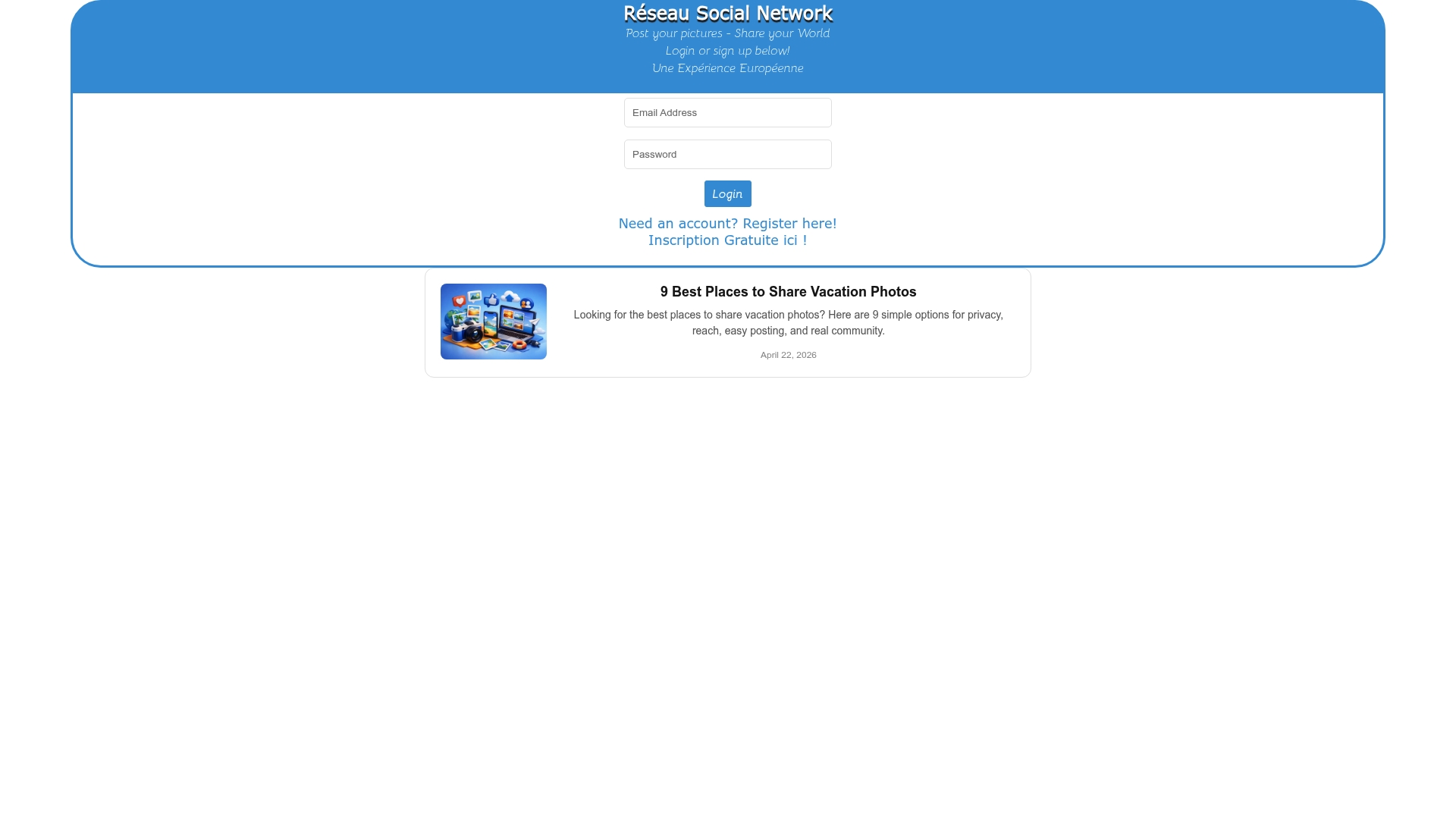
You can explore how the Snapchat platform integrates with your experience sharing. Or take the leap and create your own social network around a niche you care about. If you are ready to build an audience, you can also discover ways to grow your online community and connect with like-minded Europeans. Start free, post your first photo, and see what happens when you engage for real.
Frequently asked questions
What are the main benefits of social networking for young Europeans?
Social networking offers connection, identity development, emotional support, and access to helpful information, with the strongest outcomes coming from active participation. Research shows a consistent range of benefits for young adults who engage meaningfully rather than passively.
Is posting photos more beneficial than just looking at social media feeds?
Yes, active posting drives more personal growth and connection than passively scrolling feeds. Active posting versus passive scrolling produces substantially different outcomes for identity development, connection, and mental wellbeing.
Can social networking support mental health?
Yes, social networking can offer mental health support and access to helpful resources, especially in supportive communities. Mental health support through social media is most effective when users actively participate rather than consume passively.
Does everyone benefit from social networking in the same way?
No, those with fewer offline ties may benefit less or even experience worse emotional outcomes. Research highlights a poor-get-poorer pattern where users with weaker real-world social networks do not automatically gain more from online networking.
How common is social networking use among young Europeans?
Social networking is nearly universal among 16 to 29-year-olds in the EU, meaning the communities and connections you are looking for already exist and are waiting for you to join.