

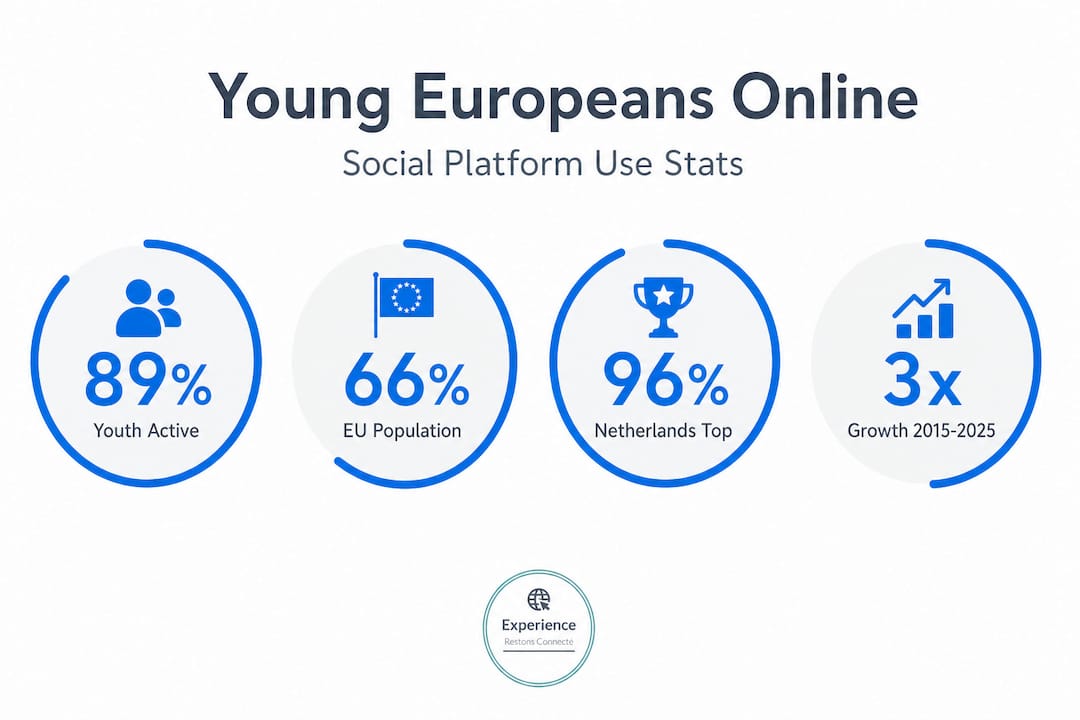
Nearly 89.3% of EU young adults aged 16 to 29 used free social networks in 2025, far outpacing the general population's 67.3%. That gap is not a coincidence. It reflects something deeper about how young Europeans connect, share, and build identity in a digital world. Free platforms are not just convenient tools. They are the primary spaces where culture travels, friendships form across borders, and personal stories get told through images and video. This article breaks down why that is, what the best platforms offer, and what every user should know before posting.
Table of Contents
- The rise of free social platforms among young Europeans
- Why visual storytelling matters: Instagram, TikTok, and YouTube
- Self-expression and cross-cultural connections
- Navigating risks: Privacy, addiction, and algorithmic influence
- A fresh perspective: Free platforms, connection, and culture
- Where to go next: Enhance your social presence
- Frequently asked questions
Key Takeaways
| Point | Details |
|---|---|
| High adoption rates | Almost 90 percent of young EU adults use free social platforms, outpacing other age groups. |
| Visual storytelling is key | Instagram, TikTok, and YouTube drive engagement and news discovery through visual formats. |
| Self-expression and connection | Free platforms foster personal branding, cultural exchange, and global interaction. |
| Privacy and moderation | Users should understand privacy trade-offs and moderate usage to avoid addiction. |
| Practical next steps | Readers can leverage tools and guides to maximize their presence and connections online. |
The rise of free social platforms among young Europeans
The numbers are striking. While two thirds of the general EU population uses free social networks, young adults aged 16 to 29 participate at nearly 90%. That is not just a preference. It is a generational shift in how people relate to each other and to the world.
The reasons vary by country, and the data tells a nuanced story. Take a look at how usage differs across Europe:
| Country | Youth usage rate | Key driver |
|---|---|---|
| Netherlands | 96% | Diaspora and urban connectivity |
| Serbia | 95% | Cross-border family connections |
| Italy | 80.3% | Strong offline social culture |
| Germany | 84.2% | Preference for in-person interaction |
| Denmark | 94% | Diaspora and digital infrastructure |
As you can see, lower youth usage in Italy and Germany links to stronger offline social lives, while countries in Northern Europe and the Balkans show usage above 95%, largely driven by diaspora communities who rely on free platforms to stay connected across borders.
This is a critical insight. Free platforms are not just entertainment. For millions of young Europeans with family or friends in other countries, they are a lifeline. A Serbian student studying in Lyon, a Portuguese nurse working in Berlin, a Greek family spread across three continents. All of them rely on free social tools to maintain bonds that geography would otherwise weaken.
There is also a generational contrast worth noting. Older adults often maintain connections through phone calls, physical gatherings, or email. Younger users, by contrast, gravitate toward platforms that combine photo sharing, messaging, short video, and community features in a single free space. The shift is not just about technology. It is about how identity and community are now built online, often through building cultural connections that span entire continents.
Why visual storytelling matters: Instagram, TikTok, and YouTube
Visual content is not just popular. It is the dominant language of young digital communication in Europe. And the platform preferences reflect that clearly.
Young Europeans prefer Instagram (30%), YouTube (23%), and TikTok (22%) for news and information, favoring short, engaging visual formats over text-heavy sources. That preference extends well beyond news. It shapes how people share travel moments, cultural events, food, fashion, and everyday life.
Here is how the top three platforms compare for young European users:
| Platform | Primary format | Strengths | Best for |
|---|---|---|---|
| Photos, Reels, Stories | Visual identity, community | Cultural sharing, personal branding | |
| TikTok | Short video | Viral reach, trends | Entertainment, news, discovery |
| YouTube | Long and short video | Depth, searchability | Tutorials, vlogs, culture |
According to recent EU data, Instagram (47%) and TikTok (39%) are the top platforms young people aged 16 to 30 use for news and information. That is a remarkable shift from just five years ago when text-based platforms and search engines dominated.
Why does visual storytelling resonate so strongly? A few reasons stand out:
- Immediacy: A photo or 15-second video communicates emotion and context faster than a paragraph of text.
- Accessibility: Visual content crosses language barriers easily, which matters in a multilingual continent like Europe.
- Identity: What you post reflects who you are. Your feed becomes a curated version of your experiences and values.
- Community: Shared visual aesthetics create belonging. A photo from a street market in Lisbon or a snowy trail in Norway instantly connects you with others who relate.
For students on Erasmus exchanges or young workers relocating to new cities, platforms like Instagram and TikTok become real-time journals of cultural discovery. Posting a short video from a local festival or sharing a photo of a new neighborhood is a way of saying "this is my life right now" to friends and family back home.
Building community-driven engagement through visual content is also a skill. The more you post, the more you learn what resonates with your audience and what feels authentic to your own voice.
Pro Tip: Posting short videos (under 60 seconds) alongside photos consistently increases your reach and sparks more conversations than static images alone. Mix both formats to keep your profile active and engaging.
If you want to grow your presence intentionally, following online presence steps can help you move from casual posting to building a genuine digital identity.
Self-expression and cross-cultural connections
Free platforms do more than let you share photos. They actively shape who you are and how you relate to the world around you. Free platforms enable self-expression, identity formation, cultural exchange, and global connections beyond the limits of your local environment. That is a significant claim, and it holds up in practice.
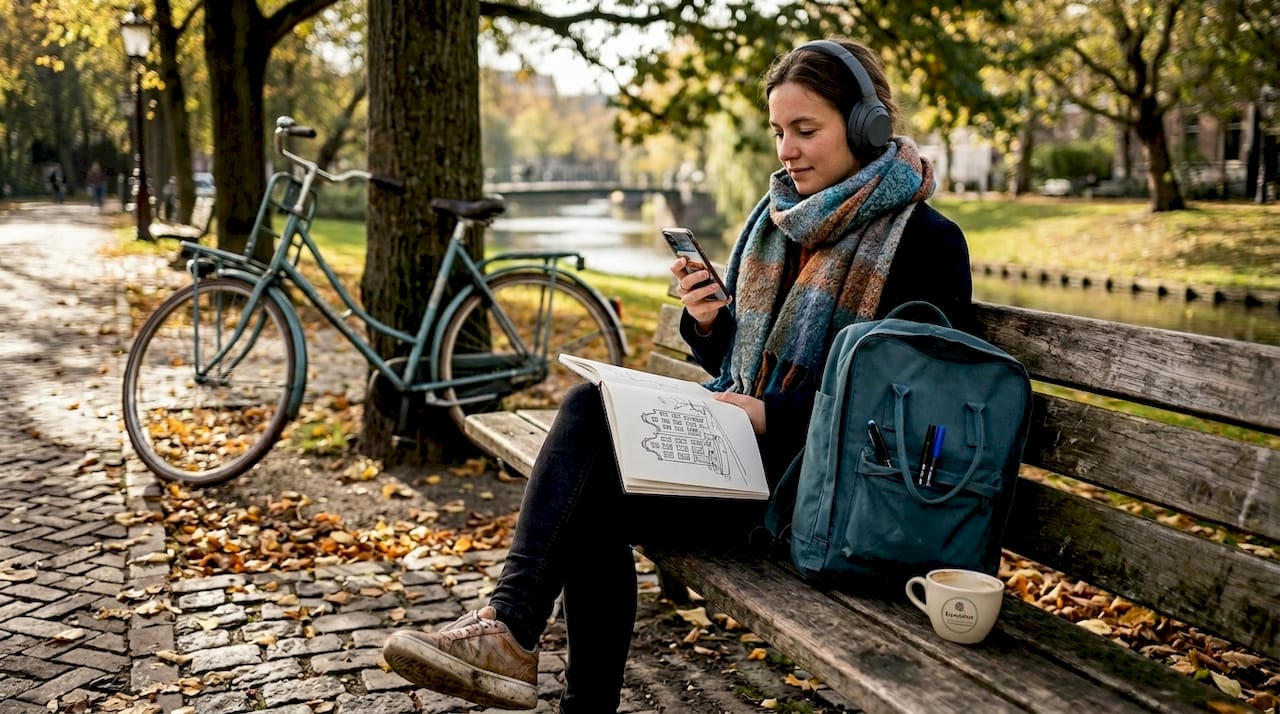
Think about what happens when a young person from Romania joins an Erasmus program in Spain. They arrive in a new city, surrounded by students from a dozen different countries. Free social platforms let them document that experience in real time, share it with people back home, and simultaneously connect with others going through the same thing. The platform becomes a bridge between the life they left and the life they are building.
This is why diaspora communities use social platforms so intensively. For a young Moroccan-French person living in Paris, or a Polish student working in Dublin, free platforms are not optional. They are how you stay connected to your roots while building new ones.
Here are some of the most powerful ways free platforms support self-expression and cultural exchange:
- Personal branding: You decide how to present yourself. Your posts, your captions, your aesthetic. All of it communicates your personality and values.
- Cultural sharing: Recipes, music, traditions, language. Free platforms let you share the parts of your culture that matter to you, and discover others' in return.
- Global friendships: A comment on a photo can start a conversation that becomes a genuine friendship across borders.
- Language learning: Following accounts in other languages, engaging with content from different countries. It is informal but effective.
"Social media bridges local and global experiences in ways that no other tool can. For young Europeans, it is not just a platform. It is a mirror of who they are becoming."
Building meaningful online connections takes intention. It means engaging genuinely, not just scrolling. Commenting, sharing, responding. The platforms reward active participation, and so does the community around you.
Navigating risks: Privacy, addiction, and algorithmic influence
Free platforms come with real trade-offs. Understanding them does not mean avoiding these platforms. It means using them with your eyes open.
The biggest trade-off is privacy. Users trade privacy for free access despite concerns over AI-targeted ads and data use. This is called the privacy paradox. Platforms collect an average of 22 or more data types per user, including location, browsing habits, interests, and behavioral patterns. You get the platform for free. The platform gets your data.
Then there is the algorithm. Free platforms use algorithms for personalized feeds that enhance visual content discovery, but they can also create filter bubbles. A filter bubble is when the algorithm shows you more of what you already like, gradually narrowing your exposure to new ideas or different perspectives. Chronological feed alternatives exist on some platforms but tend to reduce engagement, which is why platforms default to algorithmic sorting.
Here is a practical checklist to help you use free platforms more consciously:
- Review your privacy settings every three months. Platforms update their policies regularly, and default settings often favor data collection over user privacy.
- Set daily usage limits. Most smartphones have built-in screen time tools. Use them. Even 30 minutes less per day adds up to significant mental space over a week.
- Actively seek out new accounts. Follow people from different countries, backgrounds, and perspectives to counter the filter bubble effect.
- Audit your app permissions. Does your photo-sharing app really need access to your microphone and contacts? Check and revoke what you do not need.
- Take breaks intentionally. A weekend without scrolling is not a loss. It is a reset that often makes you more intentional when you return.
The addiction risk is real too. Platforms are designed to keep you engaged. Notifications, likes, comments, and infinite scroll are all features engineered to hold your attention. Recognizing that design is the first step toward social feed algorithms working for you rather than against you.
Pro Tip: Go into your settings right now and check which apps have access to your location, microphone, and contacts. Revoke anything that feels unnecessary. It takes five minutes and immediately reduces your data exposure.
A fresh perspective: Free platforms, connection, and culture
Most articles about social media for young people focus on one of two extremes. Either they celebrate the connection and creativity these platforms enable, or they warn about addiction and privacy risks. The reality is more interesting than either of those stories.
Free platforms are tools. Powerful ones. But they are not neutral. They are built by companies with business models that depend on your attention and your data. Understanding that does not mean you should stop using them. It means you should use them with intention.
What most guides miss is the specifically European dimension of this conversation. Europe is not one culture. It is dozens of cultures, languages, and histories living in close proximity. Free platforms are one of the few spaces where a young person from Thessaloniki and a young person from Helsinki can discover that they share the same taste in music, the same frustrations about housing costs, or the same love of hiking. That is genuinely valuable.
The diaspora dimension is also underappreciated. For millions of young Europeans, free platforms are not a lifestyle choice. They are the primary way of maintaining family bonds and cultural identity across borders. Dismissing social media use as shallow or addictive ignores this reality entirely.
At the same time, moderation is a form of power. The users who get the most out of free platforms are not the ones who spend the most time on them. They are the ones who post with purpose, engage with intention, and know when to log off. Think of your social presence the way you would think of sharing photos and building culture. Every post is a choice about what you want to contribute and how you want to be seen.
The most effective users treat their feed as a creative project, not a passive habit. They curate, they engage, and they step back when the platform stops serving them. That balance is what separates someone who uses social media from someone who is used by it.
Where to go next: Enhance your social presence
You now have a clear picture of why free social platforms matter for young Europeans, which ones lead the pack for visual storytelling, and how to use them without losing control of your data or your time. The next step is putting that knowledge into action.
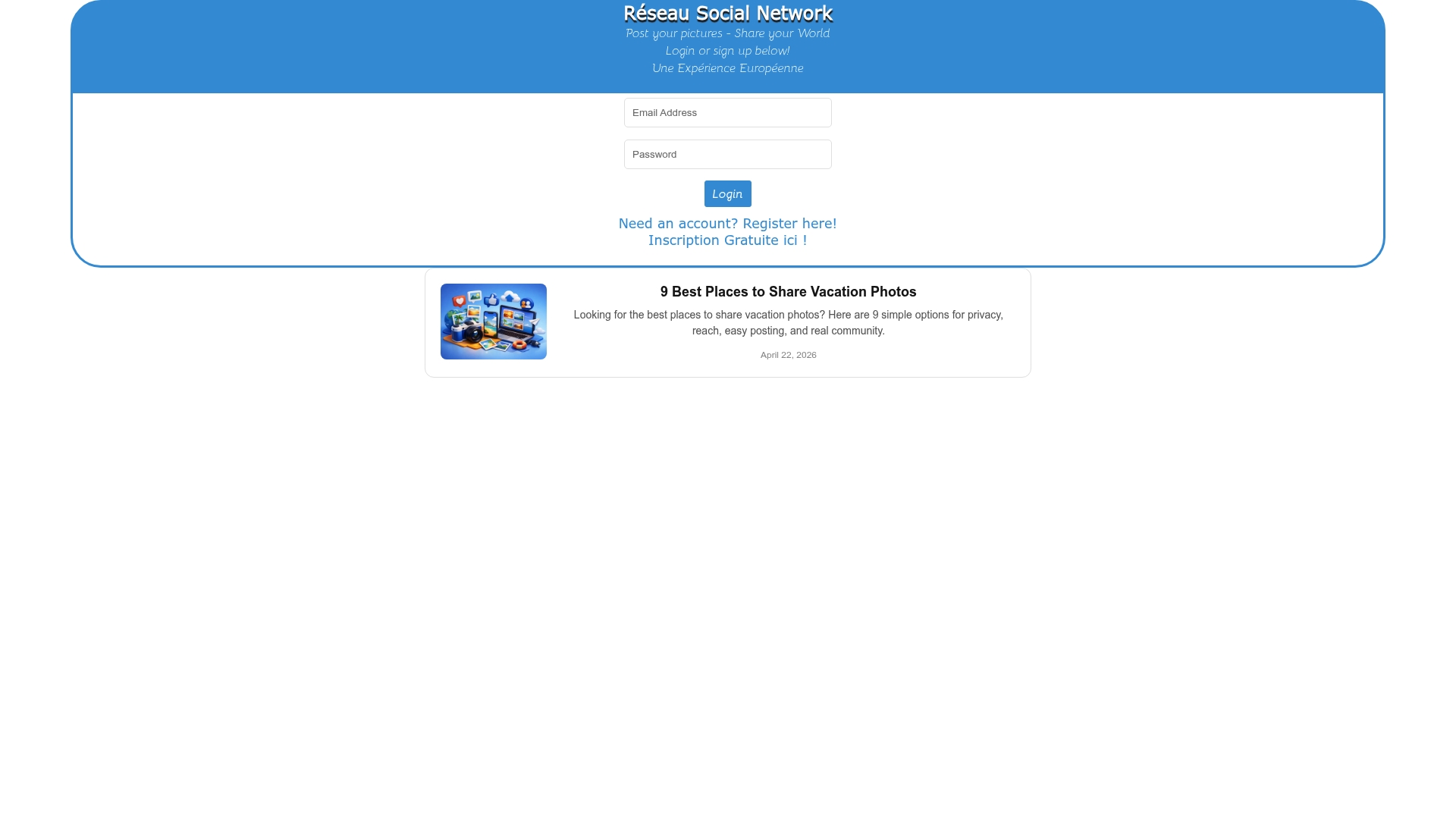
At experience.eu.com, you can connect with a community built specifically around sharing European cultural experiences through photos and visual content. Whether you are documenting an Erasmus semester, sharing local traditions, or simply posting moments from your daily life, this is a space designed for exactly that kind of authentic sharing. Explore Snapchat strategies to expand your reach across platforms, or discover social network tools that help you connect more meaningfully with communities across Europe. Register for free and start sharing your experience today.
Frequently asked questions
How do young Europeans use platforms like Instagram and TikTok for news?
Young Europeans favor visual formats for staying informed, with Instagram at 47% and TikTok at 39% leading as the top platforms for news and information among users aged 16 to 30. Short, visual content makes news faster and more accessible than traditional text-based sources.
What are the main risks of using free social platforms?
The key risks include the privacy paradox where platforms collect 22 or more data types in exchange for free access, as well as algorithm-driven filter bubbles that can narrow your perspective and addictive design features that reward excessive use. Awareness and regular settings reviews help you stay in control.
Why are free platforms so popular among young adults in northern Europe?
High usage above 95% in Northern Europe and the Balkans is strongly linked to diaspora communities who rely on free platforms to maintain family and cultural connections across national borders. Geography creates the need, and free platforms fill it.
How do free platforms help with self-expression and cultural exchange?
Free platforms give you the tools to share your experiences, shape your identity, and connect with people from completely different cultural backgrounds through visual storytelling. They enable identity formation and global connections that go far beyond what your local environment can offer.