
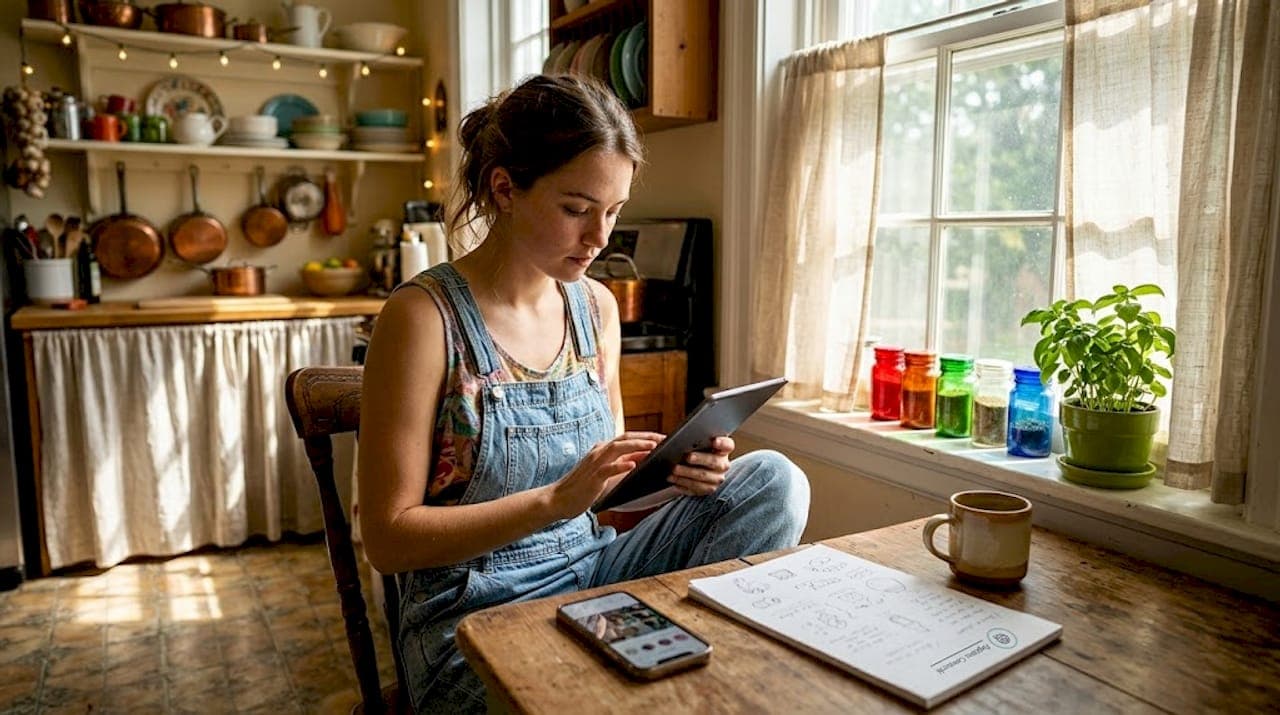
You probably opened this because you know social networking shapes your life, but you are not entirely sure whether it helps or hurts. The role of social networking for young Europeans sharing photos and personal experiences is more nuanced than any headline suggests. It can build real community, reduce isolation, and give your creativity an audience. It can also quietly raise your anxiety, distort your self-image, and create legal responsibilities you never expected. This guide walks you through the evidence on all of it, so you can post, share, and connect in ways that actually feel good.
Table of Contents
- Understanding social networking's impact on mental health
- How active social networking can reduce loneliness
- Navigating visual storytelling: identity and privacy challenges
- Maximizing the value of social networking while minimizing risks
- The uncomfortable truth about social networking's role in young adults' lives
- Build your social network with Experience.eu's resources
- Frequently asked questions
Key Takeaways
| Point | Details |
|---|---|
| Mental health impacts | Social networking influences anxiety and depression risks, especially with frequent or problematic use. |
| Active vs passive use | Active social networking with positive feedback reduces loneliness; passive use can increase isolation. |
| Privacy risks for creators | Sharing identifiable photos on social media can trigger GDPR compliance obligations in Europe. |
| Interaction quality matters | How you engage online affects outcomes more than just the amount of time spent on social media. |
| Balanced use strategies | Mindful posting and privacy management help young visual storytellers thrive safely online. |
Understanding social networking's impact on mental health
The most important thing to know upfront: social networking is not inherently harmful. But the way you use it matters enormously. Research consistently links heavy, unintentional use to worse outcomes, while intentional, socially rich use shows the opposite pattern.
Daily social media use is linked to increased stress, anxiety, and depression among young adults. That is not a scare statistic. It is a signal about how most people scroll, which tends to be passive, comparison-heavy, and time-consuming in ways that crowd out sleep and face-to-face interaction.
The threshold matters too. 3+ hours daily roughly doubles mental health risks in youth. If you are posting, engaging, and actively creating content, your hours can add up fast without you noticing.
Here are the main mechanisms that drive mental health strain on social platforms:
- Compulsive checking: Refreshing notifications every few minutes triggers low-grade anxiety even when nothing bad happens.
- Social comparison: Seeing polished travel photos or perfectly lit portraits of strangers sets an unrealistic baseline for your own life.
- Follower count dynamics: Users with rapidly fluctuating follower numbers show higher rates of depressive symptoms, especially among those already prone to self-criticism.
- Sleep disruption: Evening scrolling delays melatonin release and reduces sleep quality, which amplifies emotional reactivity the next day.
- Cyberbullying exposure: Even witnessing negative interactions between others raises stress levels for observers.
"The harms of social media are not just about time. They are about whether the time spent leaves you feeling connected and valued, or scrutinized and drained."
The good news: building meaningful social connections online, rather than just accumulating followers, is strongly protective. The research distinguishes clearly between users who engage with purpose and those who use platforms out of habit or boredom. Knowing which mode you are in right now is the first practical step.
How active social networking can reduce loneliness
Passive scrolling and active engagement look similar from the outside. Both involve your phone and a feed. But their effects on loneliness go in opposite directions.
Active social network use boosts positive feedback and social support, which over time measurably reduces loneliness. Posting a photo you are proud of, commenting on a friend's story, asking a question in a group, these actions create small moments of reciprocity that accumulate into something that genuinely feels like belonging.
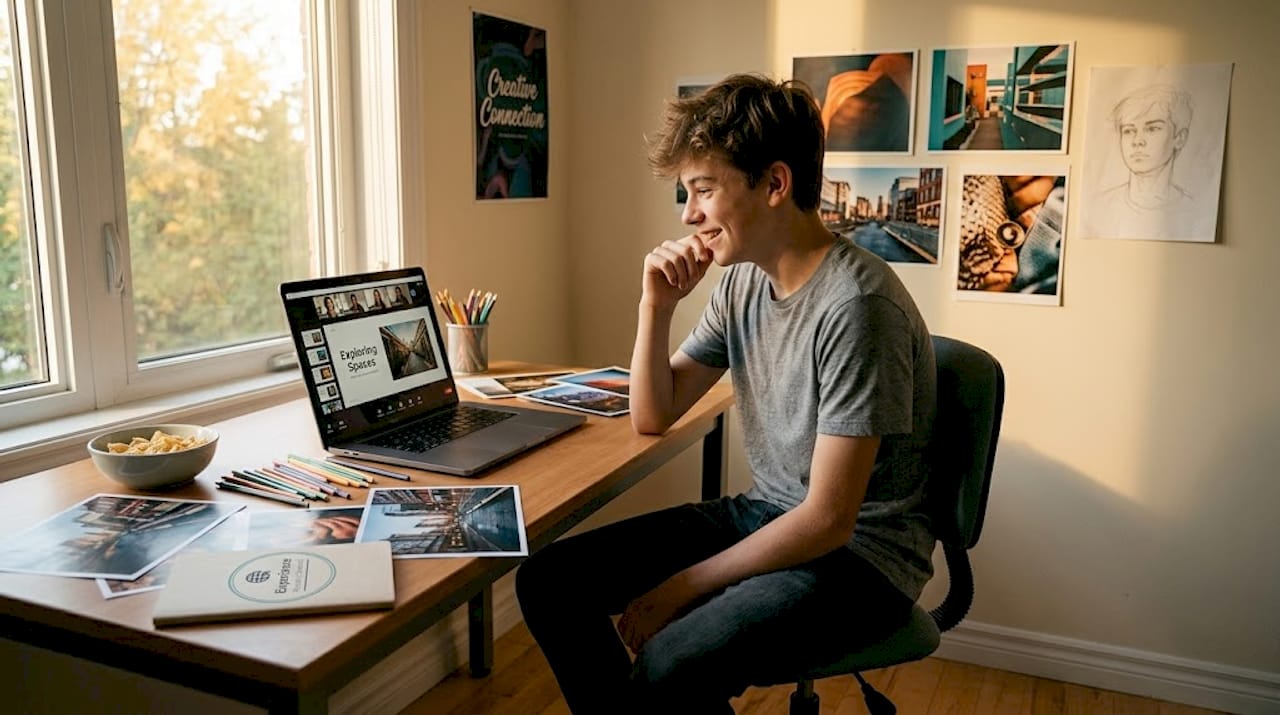
This matters especially if you already feel isolated. Frequent digital contacts predict lower loneliness even in people with chronic depression, suggesting that quality online interaction has real protective value, not just as a placeholder until you can meet in person, but as a legitimate form of social support.
Here is how to shift from passive to active use in practice:
- Post before you scroll. Starting your session by contributing something flips your mindset from consumer to creator and primes you for reciprocal engagement.
- Reply to at least one comment before checking your feed. This small ritual keeps the interaction cycle alive and feels rewarding rather than draining.
- Join topic-specific communities. Photography groups, travel threads, and culture-focused spaces generate more relevant feedback than a general feed.
- Limit passive scroll sessions to a fixed time window. Ten focused minutes beats forty distracted ones for your sense of well-being.
- Follow accounts that teach you something. Learning-oriented follows shift your mental frame from comparison to curiosity.
Pro Tip: When you explore active social networking benefits, track how you feel after each type of interaction. Most people discover pretty quickly that posting a photo they genuinely like leaves them in a better mood than an hour of passive scrolling.
The social infrastructure you build through sharing photos and culture with people who share your interests does more than grow an audience. It creates a network that actually shows up for you.
Navigating visual storytelling: identity and privacy challenges
Photography-centered social media use carries specific pressures that text-based platforms do not. Your face, your location, your friends, all of it is embedded in the images you post. That creates both emotional and legal complexity worth understanding before you share.
On the legal side: images and videos on social media can count as personal data under the GDPR (General Data Protection Regulation, the EU's privacy law), especially when they show identifiable people and are shared beyond private settings. If you post a tagged photo of a friend at a concert in Berlin, that is potentially regulated data. Most creators do not know this until something goes wrong.
On the emotional side: curated self-presentation and immediate feedback increase emotional vulnerability and affect self-esteem and body image, particularly during adolescence and young adulthood. Every photo you post is also, implicitly, a statement about who you are. When the likes do not come, that identity feels questioned.
| Challenge | Practical impact | What helps |
|---|---|---|
| GDPR obligations | Legal risk from tagging identifiable people | Get consent before posting, use privacy settings |
| Aesthetic pressure | Anxiety from comparing your work to curated feeds | Curate your follows, define your own visual goals |
| Follower feedback loops | Emotional swings tied to likes and comments | Separate creative success from engagement metrics |
| Location data in images | Privacy exposure from geotagged photos | Disable geotagging or post locations after the fact |
| Platform algorithm changes | Reach drops that feel personal | Diversify your posting strategy across spaces |
Pro Tip: Before posting any photo that includes other people, ask yourself two questions: Have they seen this image? Are they comfortable being identifiable in it? That two-second check keeps you both legally safer and a more trustworthy creator. Check the visual creators compliance checklist for the full rundown on what you need to know.
Understanding social media feedback dynamics also helps you put engagement numbers in context. An algorithm change, not the quality of your work, is usually behind a sudden drop in reach. Learning to read that distinction protects your creative confidence.
For photographers who want to grow their visibility responsibly, resources on SEO for photographers can help you attract the right audience without relying entirely on unpredictable platform algorithms.
Maximizing the value of social networking while minimizing risks
Everything above points toward one core insight: the impact of social media on your life is largely within your control. The research, and real experience, confirms that quality of engagement beats volume every time.
Changing interaction quality, not just cutting time spent, is what actually improves mental health outcomes on social media. That reframes the whole conversation. It is not about using less. It is about using better.
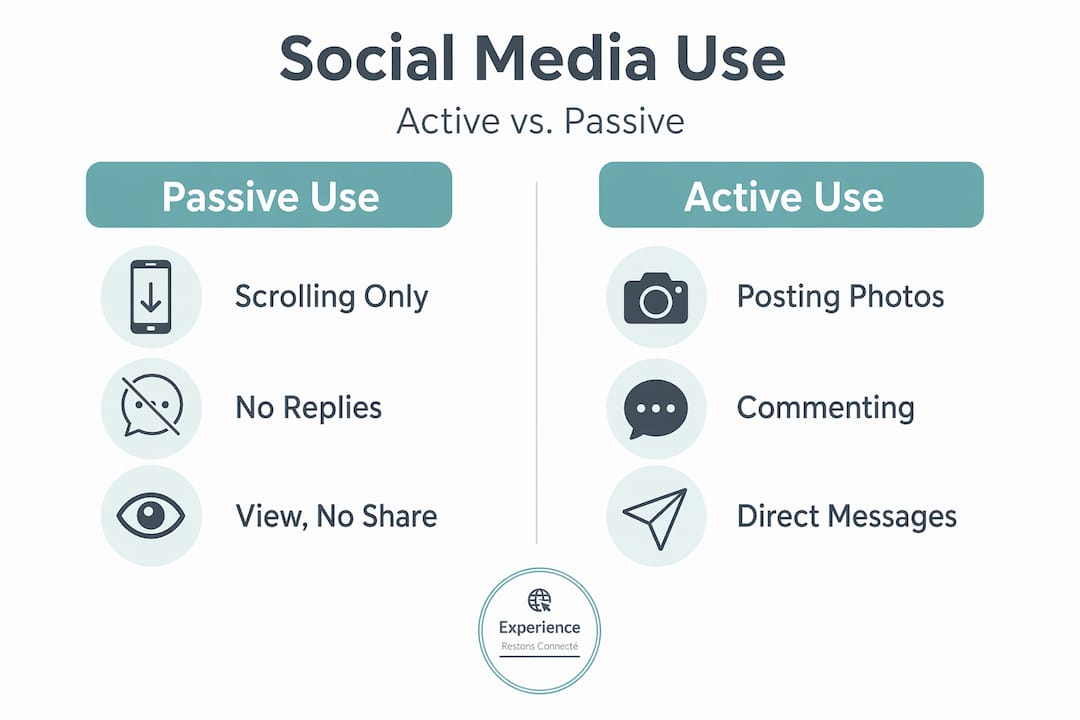
| Passive use | Active use |
|---|---|
| Scrolling without interacting | Posting content and replying to comments |
| Comparing your life to others' highlights | Sharing your real, unfiltered perspective |
| Checking notifications compulsively | Setting two or three intentional check-in times per day |
| Following accounts that make you feel bad | Curating a feed that teaches, inspires, or genuinely amuses you |
| Posting for validation | Posting to connect and express yourself |
Follower-count dynamics affect depressive outcomes, and moderated posting and checking habits reduce that risk significantly. You do not need to disappear from social media to protect your mental health. You need a different relationship with it.
Here are the key strategies that make the biggest difference:
- Set a posting intention before you open the app. Knowing why you are there stops mindless drift into passive scrolling.
- Use platform privacy tools before every post. Decide who sees each photo, not just what it looks like.
- Engage with small communities first. Niche spaces give you faster, more relevant feedback than broadcasting to everyone.
- Check your visual creators tips regularly as platforms update their terms and privacy features.
- Review choosing social platforms wisely to make sure the spaces you invest in actually align with your creative goals.
Pro Tip: If you are just getting started, social networking starter tips break down the early steps without the overwhelm.
The uncomfortable truth about social networking's role in young adults' lives
Here is what most conversations about social media get wrong: they treat it as a single thing with a single effect. Harmful or helpful. Too much or fine. The reality is that harms from social media relate more to the type of interaction and the context of the user than to time spent alone.
That means the standard advice, "just use it less," often misses the point entirely. For a young person with strong in-person social ties, cutting back on social media might not change much. For someone who lives in a rural area, is new to a city, or belongs to a minority community with few local connections, online engagement might be one of the primary ways they build identity and belonging. Telling that person to scroll less without offering anything in its place is not helpful guidance.
Visual storytellers face a layer of pressure that most social media research does not fully account for. You are not just a user. You are a creator. Every time you post a photograph, you are negotiating your identity in public, making aesthetic and personal choices that invite judgment. The feedback loops around that, especially the social feed impact of algorithmic visibility, can feel deeply personal even when they are entirely mechanical.
The most effective approach is one that is honest about this context. Stop measuring your social media health in hours and start measuring it in how you feel after you close the app. Do you feel seen? Inspired? Connected? Or depleted, compared, and restless? That emotional read-out, practiced consistently, tells you more than any screen time report.
Your individual vulnerabilities matter too. If you are going through a period of low self-esteem or significant life change, the same platform that energized you six months ago might feel toxic now. That is not the platform changing. That is you, at a different point in your development. Recognizing that distinction lets you adjust your use thoughtfully rather than either abandoning it or pushing through in ways that genuinely hurt.
Build your social network with Experience.eu's resources
Knowing the research is one thing. Having a space that actually supports the kind of intentional, positive social networking you have just read about is another.
Experience.eu is built specifically for young Europeans who want to share personal experiences and visual stories in a community that gets it. No algorithm-driven pressure to go viral. No comparison culture baked into the design. Just a space to post, connect, and share what you love about European life and culture. You can explore social networking tools designed for community building rather than engagement farming, and access visual creation tools that help you tell your story the way you actually want to. Registration is free, and the community is waiting for what you have to share.
Frequently asked questions
How does social networking affect young adults' mental health?
Social networking can increase risks of anxiety, depression, and stress, especially with excessive or passive use, but supportive engagement and positive interactions can offset these effects significantly.
What types of social media use help reduce loneliness?
Active use involving posting, commenting, and building reciprocal connections reduces loneliness more effectively than passive scrolling. Active network engagement that generates positive feedback and perceived social support is the key factor.
Are there privacy risks when sharing photos on social media?
Yes. Images showing identifiable people can qualify as personal data under the GDPR, meaning you may have legal obligations around consent and privacy settings before you post.
How can young adults safely balance social networking and mental health?
Focus on interaction quality over time spent, set intentional goals for each session, protect your privacy proactively, and monitor how you feel after each use, not just how long you spent on the platform.