

Growing as a photographer alone is tough. You post your work on generic social media, get a handful of likes, and wonder why nothing feels meaningful. For young Europeans who want real creative growth, cultural connection, and genuine feedback, passive scrolling simply doesn't cut it. The good news is that structured, youth-focused social photography communities exist across Europe, and they actively want members like you. This guide walks you through every stage, from understanding your options and preparing your application to joining with confidence and knowing when you've truly found your place.
Table of Contents
- Understanding the types of social photography communities
- Getting ready: What you need before applying
- Step-by-step: How to join your chosen community
- Troubleshooting: Common obstacles and how to overcome them
- Measuring your progress: Signs of community integration
- Why real engagement matters more than follower counts
- Connect, build, and grow with the right community tools
- Frequently asked questions
Key Takeaways
| Point | Details |
|---|---|
| Choose your community type | Match your age, interests, and goals to museum youth panels, themed projects, or ethical exchanges. |
| Prepare your application | Gather a sample portfolio and focus on authentic, culturally engaged presentation. |
| Follow structured steps | Apply by published deadlines and show up actively to maximize your acceptance chances. |
| Overcome typical hurdles | Expect some obstacles, but use support tips to persist and integrate successfully. |
| Look for real integration | Seek feedback, collaboration opportunities, and inclusion as signs you’ve truly joined a community. |
Understanding the types of social photography communities
With the challenge of connecting now clear, let's map the primary community types young creatives like you can join.
Not all photography communities work the same way. Some are institutional, some are project-based, and some are tied to international mobility programs. Knowing the difference helps you find your best fit quickly rather than wasting time on groups that aren't right for your stage or interests.
Museum-based youth panels are formal, recurring programs run by cultural institutions. For example, museum youth panels like Photo Museum Ireland's youth program give young photographers a seat at the table in a real cultural institution. You attend workshops, help shape programming, and meet peers who take photography seriously.
Themed and participatory photo projects are time-limited opportunities built around a specific cultural question or visual theme. The "Picture It" project at the House of European History is a great example, using community participation to build a shared visual record of European identity. These projects are perfect if you want structured exchange without a long-term institutional commitment.
Ethics and mobility-based exchanges often operate through Erasmus+ youth mobility frameworks. Programs like Lens on Ethics blend photography with digital responsibility and cross-cultural values. They attract participants who care about storytelling with purpose, not just aesthetics.
Understanding these pathways also helps you think about sharing photos and building connections in a way that goes beyond casual posting.
| Community type | Entry requirements | Key benefits | How to get started |
|---|---|---|---|
| Museum youth panel | Age eligibility, short statement | Mentorship, institutional access | Check museum websites directly |
| Themed project | Open application, photo samples | Creative brief, exhibition chance | Follow cultural institution news |
| Ethics/mobility exchange | Erasmus+ eligibility, motivation letter | International travel, peer network | Apply via partner organizations |
The table above shows how entry paths vary significantly. Museum panels often require only an age check and a short personal statement. Themed projects may ask for a few sample images. Mobility exchanges involve a more detailed motivation letter but reward you with travel and an international peer group.
Getting ready: What you need before applying
Once you've picked your preferred community type, preparation is the next step and it makes joining much smoother.
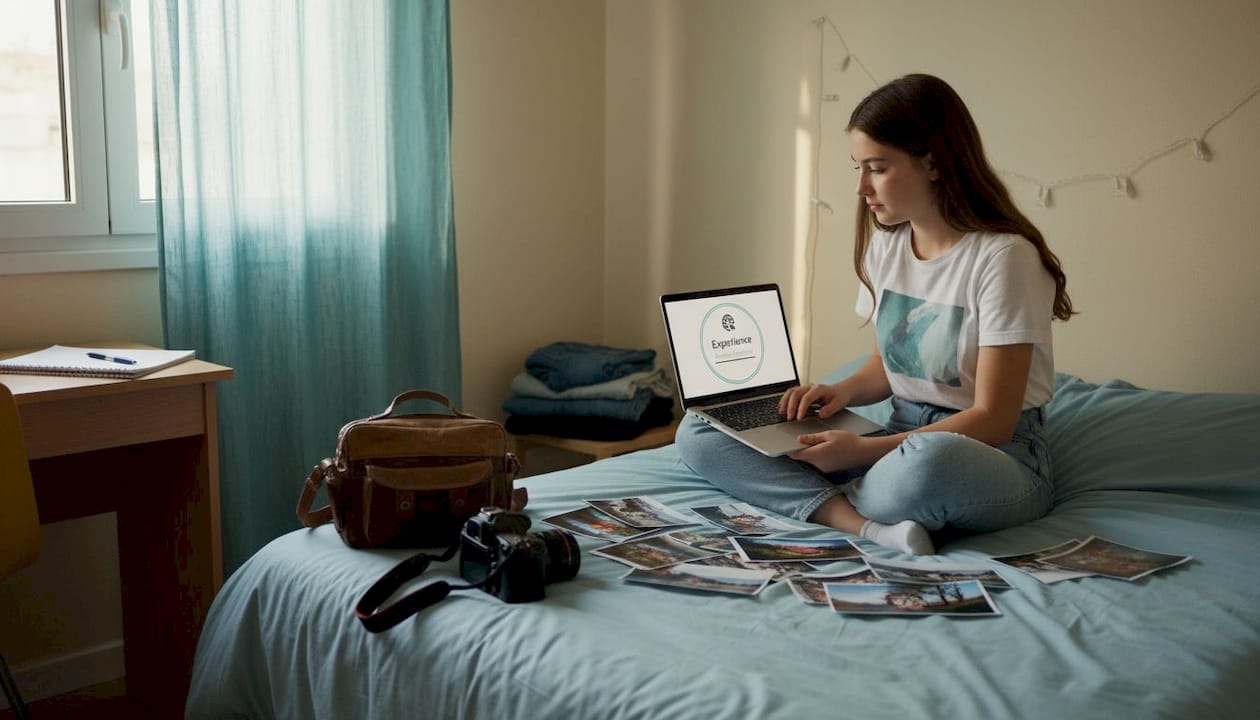
Most young photographers underestimate how much preparation shapes their success rate. You don't need a professional portfolio with fifty carefully edited images. But you do need to show up with a few key things ready.
Here's what most communities will ask for or informally expect:
- A short portfolio: Three to ten of your strongest images, ideally with a consistent theme or visual approach. They don't have to be technically flawless.
- A personal statement or bio: Two to four sentences about who you are, why you shoot, and what you want from the community. Be specific and honest.
- Social profile links: Many youth programs want to see your Instagram, a personal website, or even a Google Photos album. Keep these current and tidy.
- Contact and eligibility details: Your age, country of residence, and any relevant language skills.
The Photo Museum Ireland Youth Panel is a useful reference point here. Their process is open and transparent, which shows how youth-focused institutions try to lower barriers while still selecting participants who are genuinely motivated.
Looking for ideas to freshen up your portfolio before applying? Exploring original Instagram post ideas can spark approaches you haven't tried yet. And if you're thinking longer term, reading up on becoming a content creator gives you a broader framework for how your photography fits into a creative career.
| Application element | Museum panel | Themed project | Ethics exchange |
|---|---|---|---|
| Portfolio samples | Optional (2-5 images) | Usually required | Rarely required |
| Personal statement | Required | Required | Required (longer) |
| Social media link | Optional | Optional | Not usually asked |
| Motivation letter | Sometimes | Rarely | Always |
| Age documentation | Always | Sometimes | Always |
Pro Tip: Don't try to hide behind technical perfection in your application materials. Programs designed for young photographers expect rough edges. What they really want to see is genuine curiosity about culture, community, and visual storytelling. Write your statement as if you're explaining your work to a friend, not impressing a judge.
Step-by-step: How to join your chosen community
You're ready to apply. Here's the practical sequence young European creatives use to jump in.
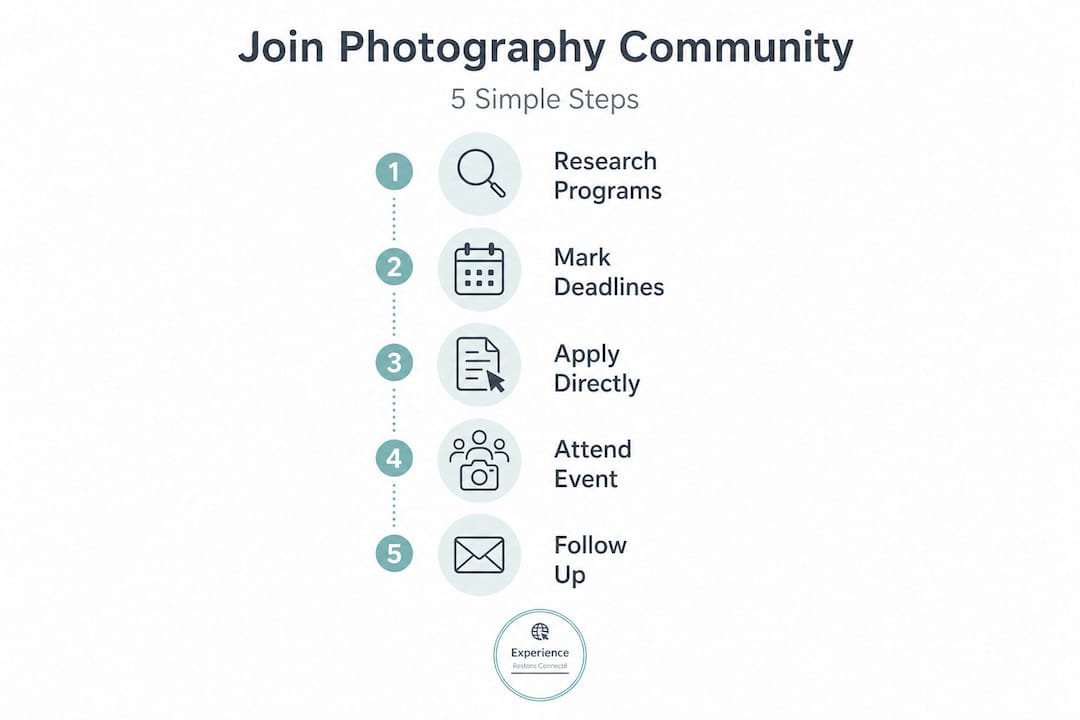
1. Research active programs. Start by Googling the names of museums, cultural institutes, or youth organizations in your country alongside terms like "youth photography panel" or "photo project open call." Sign up for newsletters from institutions like the House of European History or follow Erasmus+ news feeds. Opportunities often open seasonally.
2. Bookmark deadlines immediately. Structured programs like themed projects tied to the "Picture It" initiative operate on fixed schedules. Missing a deadline by even one day means waiting months. Set calendar reminders the moment you find an open call.
3. Craft a direct, specific inquiry or application. Don't send a generic "I love photography" message. Mention the specific program, explain one reason it aligns with your background, and include your prepared materials. Keep it under 300 words for initial applications.
4. Use a beginner-friendly starting point. If you're new to this process, a social network beginner's guide can help you understand the basics of presenting yourself online before you apply to more formal programs.
5. Show up fully at your first event or workshop. Getting accepted is only step one. Attend the first event in person if at all possible. Ask questions, introduce yourself to at least two other participants, and follow up digitally afterward. Programs like Lens on Ethics that focus on ethics and mobility value participants who engage honestly, not just those who look good on paper.
6. Keep developing your craft in parallel. Don't stop shooting while you wait for responses. Resources on developing as a creator can keep your momentum going between application cycles.
7. Apply to more than one community at once. Rejections are normal and often have nothing to do with your talent. Applying to joining a themed photo project while also inquiring about a local museum panel increases your chances significantly.
"Community is built through participation, not perfection. The photographers who thrive in group settings are not the most technically skilled. They're the ones who show up, share honestly, and stay curious." This is the mindset every program coordinator is looking for when they read your application.
Pro Tip: After your first event or workshop, send a short thank-you note to the organizer or coordinator. It takes two minutes and makes you memorable in a group of twenty or thirty participants.
Troubleshooting: Common obstacles and how to overcome them
Even with a solid application and motivation, you might hit a few roadblocks. Here's how to keep going.
Most new applicants face at least one or two of these issues. None of them are permanent, and knowing how to respond makes the difference between giving up and getting in.
-
Age limits or program structure mismatches. Some programs are strictly for 16-25 year olds. Others target 18-30. If you fall outside a range, Photo Museum Ireland's youth panel model shows how age-structured programs are actually designed to reduce social friction, not create it. Look for the program that fits your age group specifically. Don't try to stretch eligibility.
-
Lack of confidence about your work. Almost every photographer feels this when applying for the first time. Start with lower-stakes options, such as starting with beginner-friendly communities, where the bar is lower and the feedback is supportive.
-
Language barriers. Many programs across Europe accept applications in multiple languages, and some explicitly offer materials in English, French, German, and others. Check the program language policy before assuming you need to apply in a language you're not comfortable with.
-
Uncertainty about technical requirements. Some applicants assume they need expensive gear. This is rarely true. Programs focused on cultural storytelling prioritize ideas over equipment.
-
Not hearing back after applying. If two weeks pass with no response, send one polite follow-up email. Many program coordinators manage multiple projects at once and appreciate a gentle reminder.
Pro Tip: If you get rejected from a formal program, ask for brief feedback. Not all organizations will respond, but some will. That feedback can be the most useful thing you receive all year.
Measuring your progress: Signs of community integration
Success isn't just joining. It's thriving. Here's how to know your journey has traction.
Integration into a photography community happens gradually. Here are the clearest indicators to watch for:
- You receive repeated invites to workshops, events, or group shoots
- Other members tag you in relevant posts or share your work
- Coordinators start asking for your input on program decisions
- You get featured in a group exhibition, publication, or online showcase
- You feel genuinely comfortable giving feedback on others' work, not just receiving it
Advanced signs include being asked to help onboard new members, collaborating on an independent project with someone you met through the group, or being cited in a program report or newsletter.
Themed and participatory projects, like the work done through the "Picture It" initiative, create natural milestones because they culminate in a defined output, an exhibition, a publication, or a digital archive. Reaching that milestone together is a reliable sign of belonging.
You can also track your progress by following exploring more community stories to see how others in similar networks describe their own growth.
| Engagement marker | Museum panel | Themed project | Ethics exchange |
|---|---|---|---|
| First return invite | Within 1-2 meetings | Mid-project | After first workshop |
| Collaborative work offer | Months 2-4 | End of project | During mobility |
| Public feature | Annual showcase | Project exhibition | Program report |
| Leadership role | Year 2+ | Rarely | Possible during program |
Early signs are just as important as advanced ones. Don't dismiss the small moments. Being greeted by name at a second event matters. Being tagged in a group photo matters. These micro-moments confirm you're building real roots.
Why real engagement matters more than follower counts
After seeing the path to community, it's time for some honest perspective on what actually leads to creative growth.
Here's something most photography articles won't tell you directly: chasing followers and trending hashtags is the slowest way to grow. Not because metrics don't matter, but because social validation on large platforms is designed to be fleeting. An algorithm-boosted post disappears within 48 hours. The workshop critique you received last Thursday from a fellow community member? That stays with you for years.
Many young photographers spend their first two or three years optimizing for an audience before realizing the most useful feedback never came from strangers online. It came from people they met at an exhibition, a youth panel meeting, or a cross-border project. People who looked at the same image five times and pushed them to explain what they were really trying to say.
Real communities create accountability. When you commit to showing work at a group meeting, you actually finish it. When someone is counting on you for a collaborative shoot, you show up. That level of mutual investment simply doesn't exist in a comment section.
The connections you build through cultural connections through photography in structured, real-life settings also translate into long-term creative friendships, referrals, and exhibition opportunities that no follower count can replicate.
The takeaway is simple. Build the community first, and the audience will follow naturally. Do it the other way around, and you may end up with thousands of followers and no one who actually knows your work.
Connect, build, and grow with the right community tools
Ready to go further? Here's how to leverage the best platforms and resources for lasting community impact.
You've got the strategy. Now you need the right tools to back it up. Whether you're just starting out or ready to deepen your involvement in European photography communities, having the right digital foundation matters.
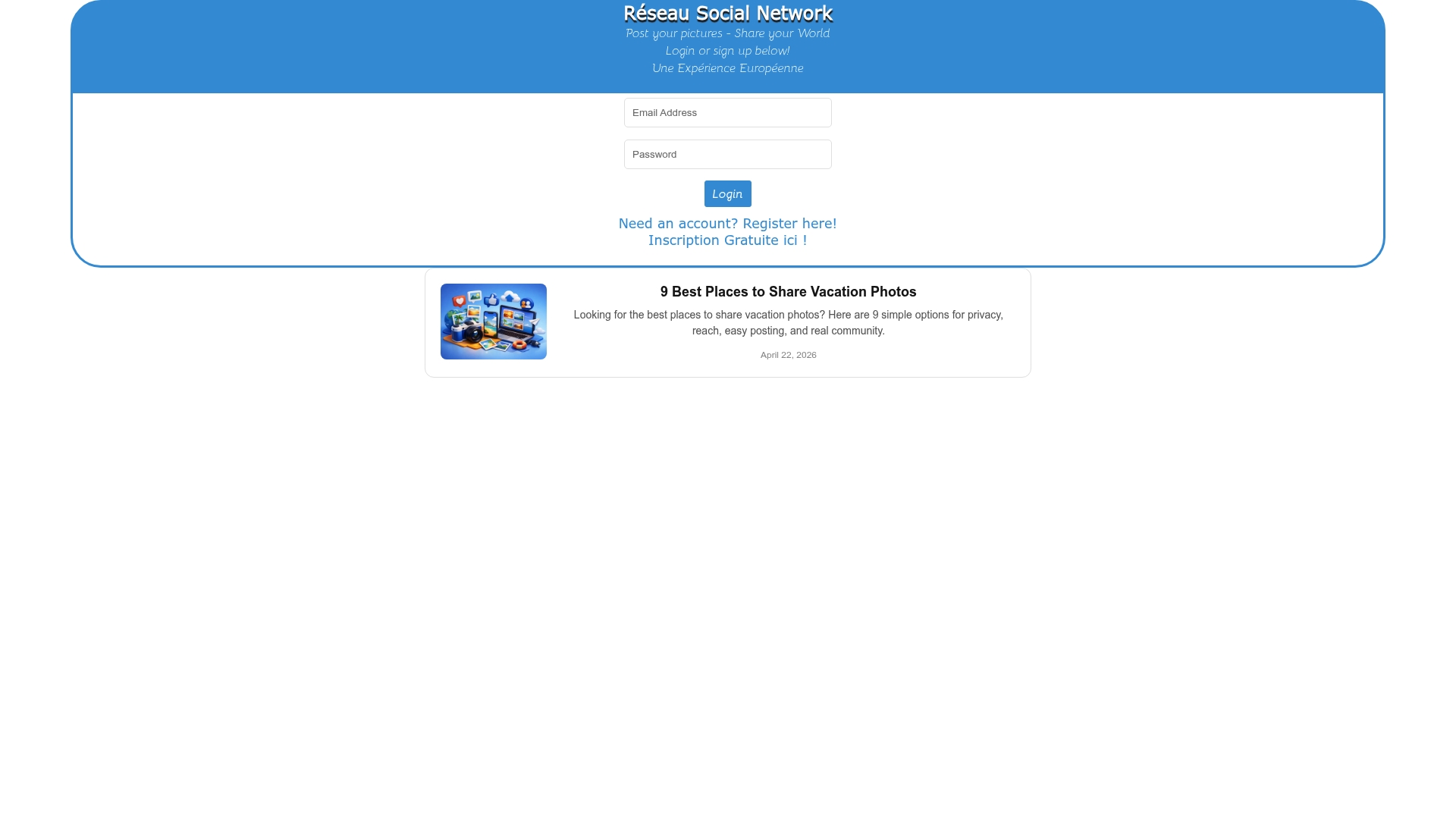
Start by building your presence on a platform designed for this kind of sharing. When you join the social network at experience.eu.com, you get a space built specifically for sharing personal and cultural experiences through photos, with a community that values European perspectives. From there, use the resources available to boost your community engagement and make sure your profile is working for you, starting with a well-crafted intro. Take a few minutes to optimize your Instagram bio so that when program coordinators check your profile, they see someone worth inviting. Registration is free, and every post you share brings you one step closer to the connections you're looking for.
Frequently asked questions
Are there age limits for joining youth-focused photography communities?
Yes, most museum youth panels and ethical mobility projects are open to specific age groups, such as 16-25 or 18-30. Always check the eligibility section of any program before applying.
What if I don't have a professional camera?
Many themed and participatory projects provide equipment or prioritize creative storytelling over gear. The "Picture It" project is a strong example of a program that values participation and perspective above technical resources.
How can I improve my chances of being accepted?
Showing authenticity, cultural interest, and a genuine willingness to collaborate often matters more than technical skill. Programs with structured community fit are designed to welcome motivated beginners, not just experienced photographers.
Are these communities open to people across Europe?
Yes, Erasmus+ exchanges and major museum panels typically welcome young people from multiple European countries. Ethics-focused youth programs tied to Erasmus+ mobility are specifically designed for cross-border participation, making them ideal for anyone eager to connect across cultures.